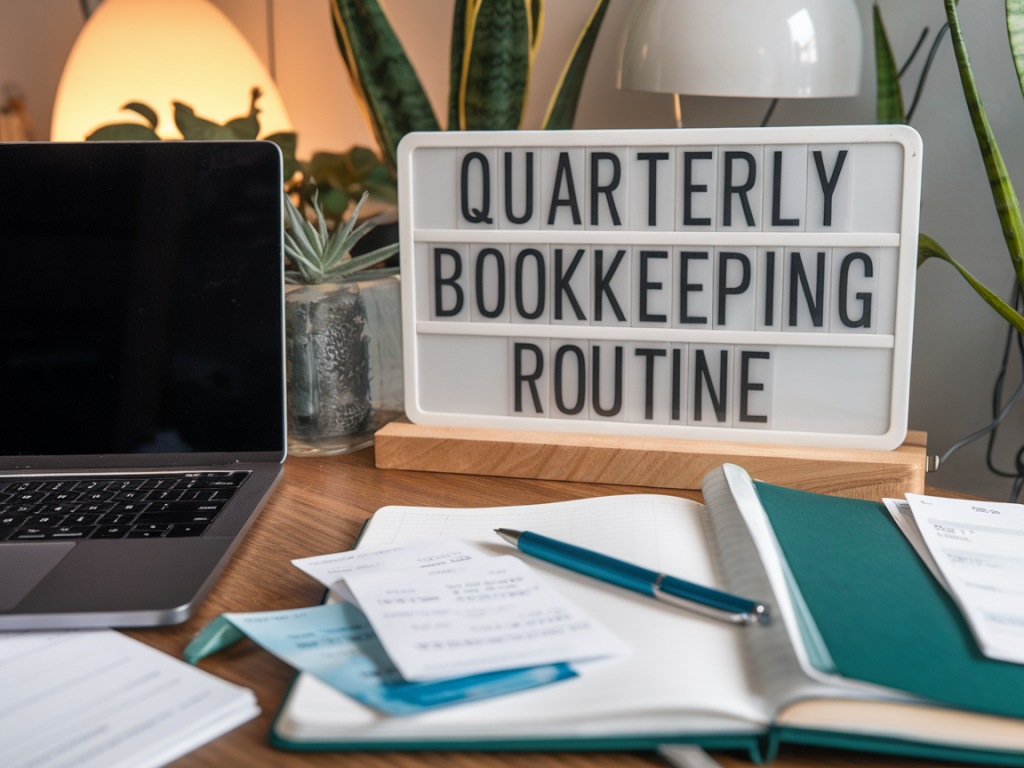
Keeping VAT, payroll and invoices under control doesn’t have to be a quarterly scramble. Over the years I’ve seen too many small business owners treat bookkeeping as a fire‑fighting exercise — receipts in a shoebox, bank feeds ignored, VAT returns left until the deadline. A simple quarterly routine, done consistently, prevents cashflow surprises, reduces stress and leaves you time to focus on the business. Here’s a practical, step‑by‑step routine I use with clients that works for micro‑businesses, sole traders and growing SMEs in the UK.
Why a quarterly routine makes sense
I recommend quarterly checkpoints because they’re frequent enough to catch problems early but not so frequent that they become a burden. Monthly bookkeeping is ideal if you have high transaction volumes or weekly payroll, but for many small businesses a focused quarterly review keeps things tidy and compliant. The benefits I’ve seen include:
Fewer VAT and payroll errors at year‑endImproved cashflow forecasting and planningFaster year‑end accounts and lower accountant feesMore time to spot opportunities (or issues) in your margins and pricingQuarterly checklist — the essentials
Before you start, set aside a block of time (2–4 hours) and gather: bank statements, receipts, Xero/QuickBooks/FreeAgent access, payroll reports, and your previous VAT return. Here’s the checklist I follow with clients:
| Task | Why it matters | How I do it |
| Reconcile bank accounts | Ensures your books match reality | Clear unexplained items, match receipts, investigate duplicates |
| Review unpaid invoices | Improves cashflow and reduces bad debt | Send reminders, agree payment plans, chase via phone if needed |
| Check VAT codes & rates | Avoid costly VAT mistakes | Verify sales/purchases are correctly coded (standard, zero, exempt) |
| Run payroll reports | Confirms PAYE/NIC and pension obligations | Compare payslips to bank payments, check RTI submissions |
| Review expenses & receipts | Claim the right VAT and tax reliefs | Match receipts to spend and code them correctly |
| Backup and tidy files | Reduces audit risk and saves time next quarter | Organise receipts, label digital files, backup software data |
Step‑by‑step routine I use
Below is the practical sequence I follow. You can add or remove items depending on your business complexity.
Start with bank reconciliation. Open your accounting software (I’ve used Xero and FreeAgent extensively). Reconcile every transaction. Any unmatched items get a note and a follow‑up task. If you have a bank feed, make sure it’s functioning and that rules are applied for repetitive transactions such as direct debits.Review outstanding sales invoices. Pull a report for overdue invoices. I sort by age: 0–30, 31–60, 61–90, 90+. Prioritise chasing those in 61–90 and 90+ with a polite but firm reminder. Offer payment plans for long‑standing debtors — better than writing it off.Check purchase invoices and credit notes. Ensure supplier invoices are logged, coded to the right expense or asset account and that VAT is captured correctly. If you use a purchase approval workflow (e.g. Dext, Hubdoc), clear the inbox and attach proofs to transactions.Run your VAT review. Produce a VAT control report in your software and manually check any unusual items: exports with VAT zero‑rated, VAT on hospitality, reverse charges for overseas suppliers. Make a list of any adjustments to include in your next return.Verify payroll and pension contributions. Reconcile payroll net pay and employer costs against bank payments. Check RTI submissions for the quarter to ensure no missed reporting. Confirm pension contributions have been paid to your provider on time and reconcile the pension journal in your accounts.Update cashflow forecast. Take your previous quarter’s figures and update your three‑month forecast. Factor in upcoming VAT payments, PAYE liabilities and recurring bills. Even a simple spreadsheet helps you spot potential shortfalls early.Clean up Lodgement & filing. Save digital copies of receipts and invoices against transactions. Adopt a naming convention (YYYYMMDD_supplier_amount) and store on cloud (OneDrive, Google Drive) or within your accounting tool. If HMRC ever asks for evidence, you’ll thank yourself.Common pitfalls and how I avoid them
I’ve seen the same mistakes repeatedly. Here are the ones that cause the most pain — and the small actions that prevent them.
Mixing personal and business finances. Keep one business account and a personal account. I tell clients to move a clear monthly salary from business to personal rather than paying ad hoc drawings — it simplifies reconciliation.Mis‑coded VAT on partially exempt businesses. If you have both VAT‑able and exempt sales (e.g. financial services or some education), get a periodic partial exemption calculation in place. I recommend discussing this with an accountant early — fixes are harder later.Missing pension deadlines. Auto‑enrolment penalties are avoidable. Set calendar reminders for contribution and payment windows and reconcile them quarterly so nothing slips.Relying on memory for expenses. Encourage staff and contractors to submit expenses within 7–14 days and use mobile apps (Expensify, Receipt Bank/Dext) to capture receipts instantly.Tools I recommend
Good tools don’t replace process, but they make this routine manageable.
Xero — Excellent bank reconciliation and VAT reports; integrates with Dext and PayRun.QuickBooks Online — Good for invoicing and cashflow views.FreeAgent — Popular with freelancers and small firms; strong HMRC integration.Dext (formerly Receipt Bank) — Speeds up purchase capture and reduces manual entry.HMRC GOV.UK — Bookmark and check for VAT or payroll changes before you finalise returns.If you prefer a printable version of the checklist, copy the table above into a simple Word or Google Doc and keep it near your desk. Do the routine on the same week each quarter so it becomes a habit — I recommend the first week after quarter end when bank statements and payslips are usually available.
Keeping VAT, payroll and invoices under control is less about perfection and more about regular attention. A quarterly habit, the right tools and a short, repeatable checklist prevent problems from building up and make compliance straightforward. If you’d like a templated checklist for your business or help setting up automation in Xero or FreeAgent, I’m always happy to help — reach out and we’ll tailor the process to your workflows.